
The Foundation Board — composed of leaders from academia, medicine, and industry — is the governing body responsible for strategic decision-making, guiding and shaping the future of biomedical research and innovation at La Tulipe Foundation for Medical Research. Get to know the board members and their background.
The Foundation Board acts as the foundation's legislative body and meets twice a year. The Executive Committee is responsible for coordinating the foundation's day-to-day activities. It meets monthly and is composed of the President, the Vice President, and one or two other members of the Board.
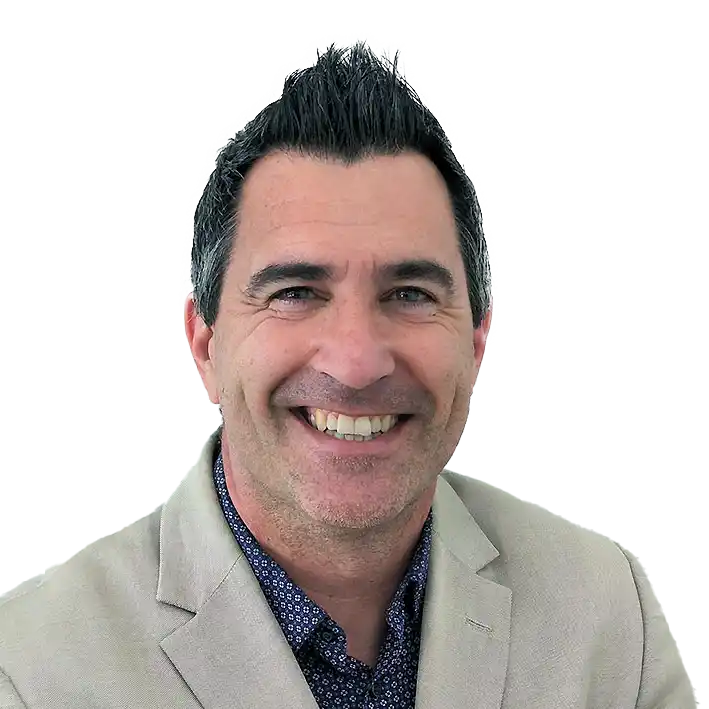


Régis Gauderon is passionate about life sciences and turning ideas into successful commercialized products. Presently, he is CEO and co-founder of flowbone, a spin-off from the EPFL. The startup develops injectable hydrogels that leverage nanobiology and pharmacology for local treatment of osteoporosis and weak bones.
Previously, he worked ten years in the MedTech industry for Johnson & Johnson, where he held positions in sales, innovation, business development, and management. He also built some experience in digital health while four years at Swisscom Health and as co-founder of a startup. Régis holds an engineering degree from the EPFL and a PhD from the University of Sydney where he did research in laser microscopy applied to medicine.
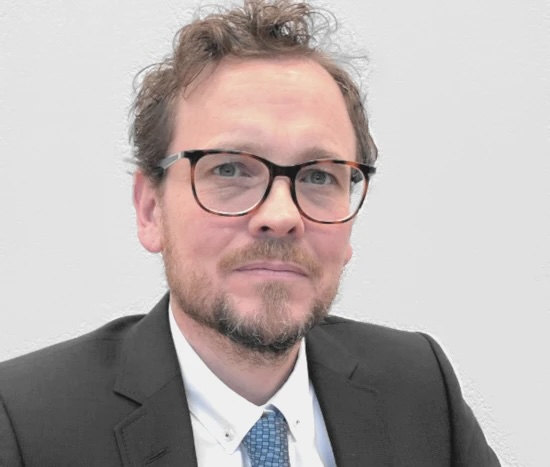
Oliver Hartley is Full Professor and Director of the Department of Pathology and Immunology at the University of Geneva. Trained under Nobel Laureate Sir Gregory Winter, he specialises in peptide engineering and GPCR pharmacology with a strong translational focus. He discovered a first-in-class CCR5 inhibitor for HIV prevention and co-founded the Mintaka Foundation, leading its CHF 8M Wellcome Trust–funded preclinical development.
As scientific founder of Orion Biotechnology, he helped advance the same molecule to Phase 1 for HIV and later into oncology, gaining FDA clearance. His current work focuses on modular discovery platforms for intractable GPCRs, chemokine analogs in radioligand therapy, and receptor structure-function studies. He is an inventor on multiple active patent families and remains committed to mentoring and translational strategy.
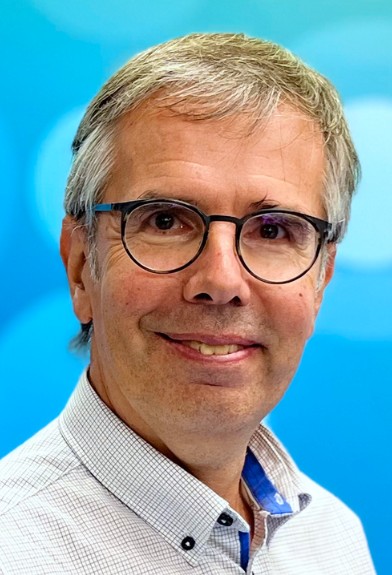
Jean-Luc Wolfender has been a full professor at the University of Geneva since 2009, where he leads the phytochemistry group for bioactive natural products. He has served as Vice Dean of the Faculty of Science since 2018 and was President of the School of Pharmaceutical Sciences from 2014 to 2018. His research focuses on drug discovery from natural products and evidence-based phytotherapy. In this context, he develops innovative metabolomics approaches based on mass spectrometry and nuclear magnetic resonance, integrating computational methods and, more recently, artificial intelligence.
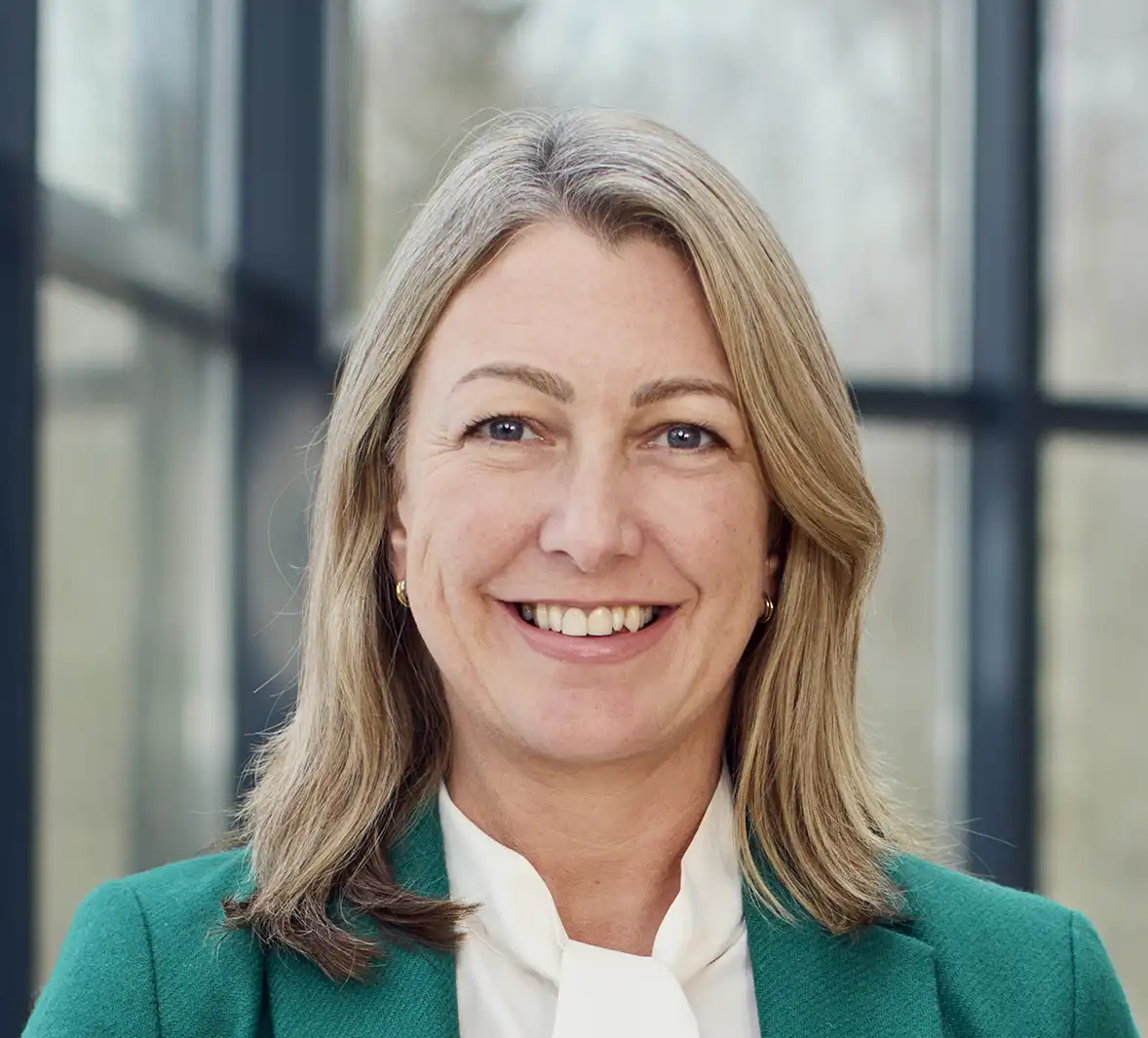
Zoë Johnson, PhD, is a biotech executive with over 25 years of experience in drug discovery, development and company creation, spanning large pharmaceutical organisations, venture-backed biotechs and venture-creation platforms. She is currently Head of Ventures at Gubra, where she leads venture creation and external innovation from the company’s Swiss office in Basel. Previously, she held senior scientific and executive positions at Molecule to Medicine, iOnctura and Affivant, following earlier research roles at UCB, Merck and NovImmune. She also serves on advisory boards and expert panels supporting the translation of scientific discoveries into new therapeutics and technologies. With a PhD in pharmacology from King’s College London, she brings extensive expertise in translational science, early-stage company development, portfolio strategy, financing and governance.
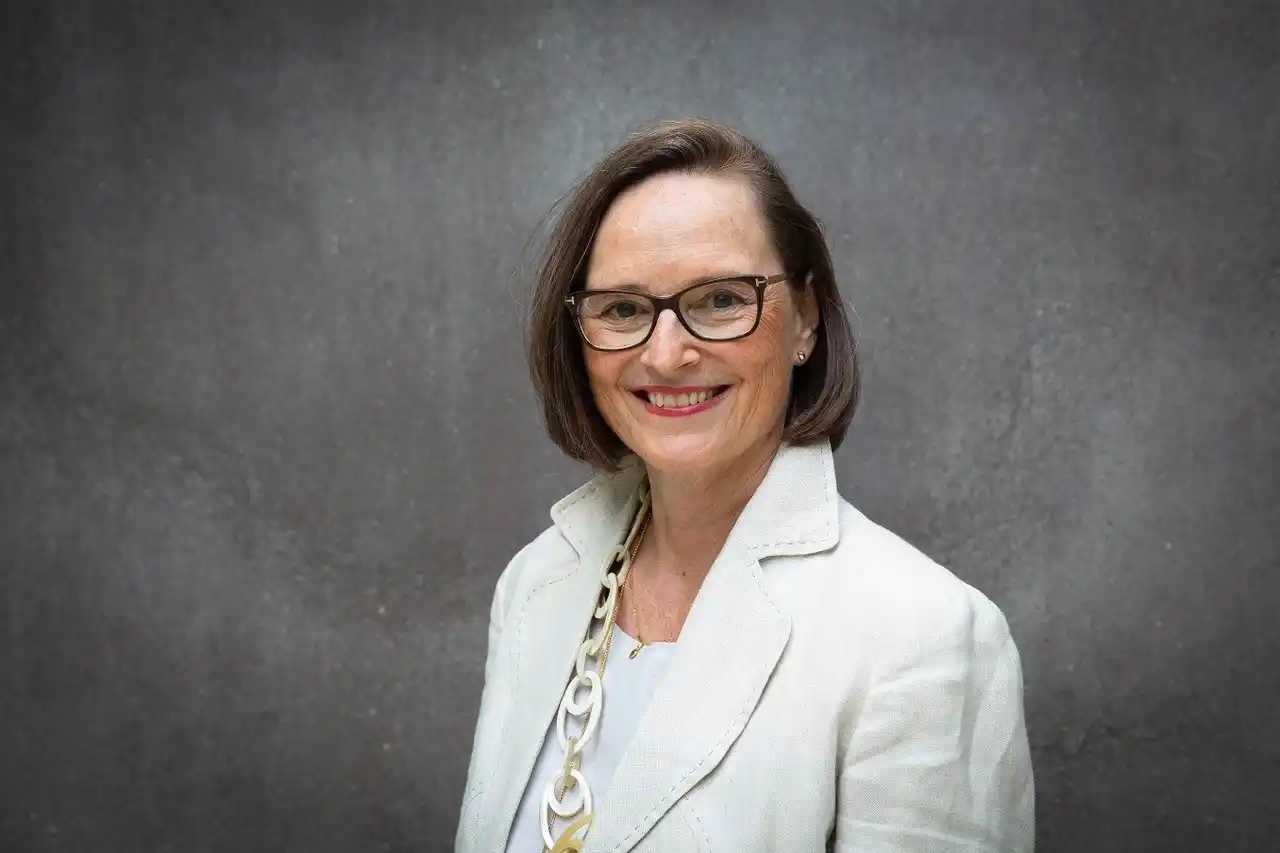
Professor Petra Hüppi, a Swiss paediatrician and neuroscientist, specializes in brain development in newborns, particularly in premature infants. A graduate of the University of Bern, she continued her training at Harvard Medical School. Since 2003, she has been a professor at the University of Geneva and, since 2004, head of the Development and Growth Division at the Geneva University Hospitals (HUG). She leads the "Child Development Disorders" research group, combining clinical and fundamental research to understand early brain alterations. A pioneer in neonatal MRI, she has demonstrated its value in both preclinical and clinical research. A member of several international scientific advisory boards, she served as Vice-Dean of the Faculty of Medicine in Geneva (2019–2023) and is the elected Vice President of the ISMRM, which awarded her the Gold Medal in 2023.
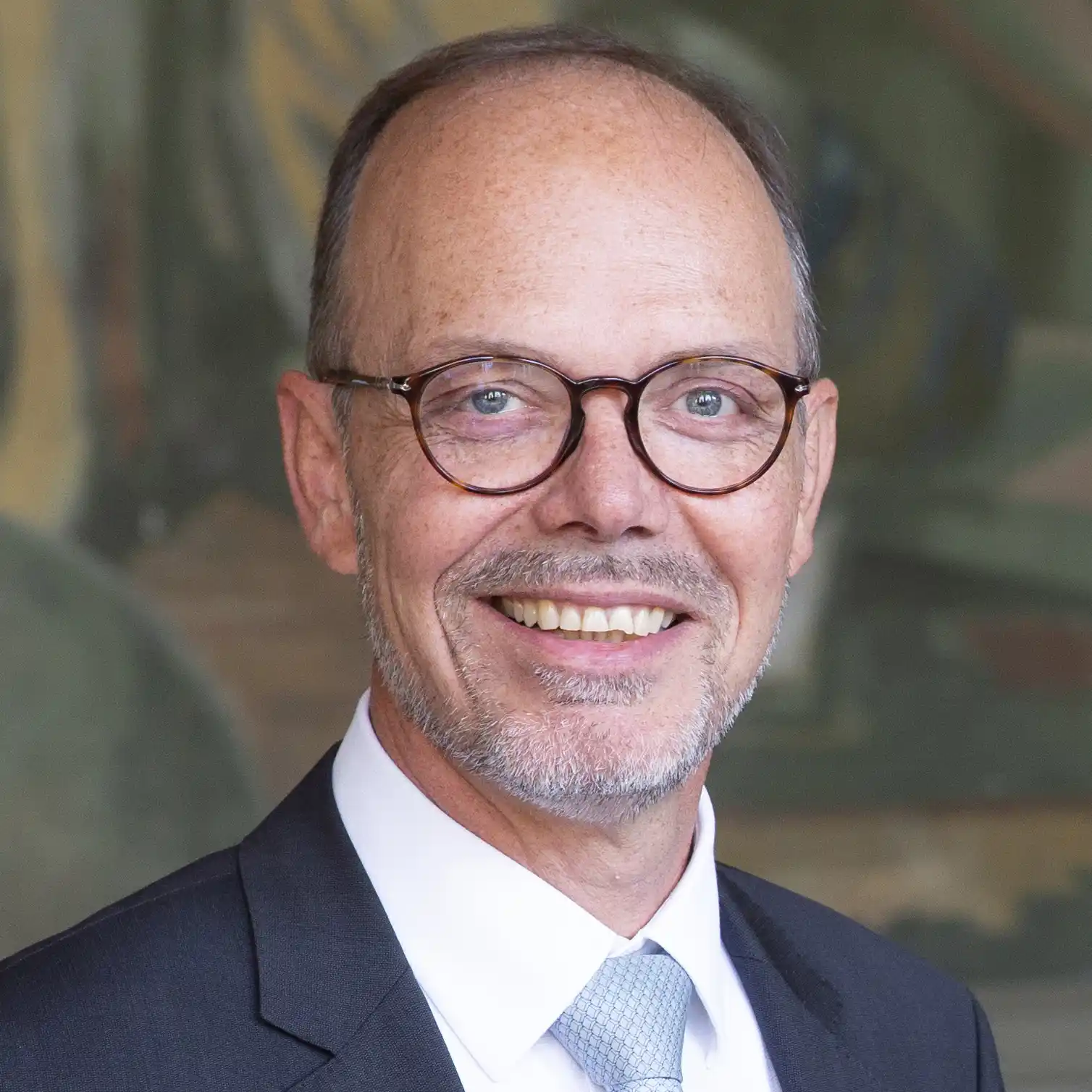
Professor Antoine Geissbühler is the Dean of the Faculty of Medicine at the University of Geneva, Director of Education and Research, and Chief Physician of the eHealth and Telemedicine Department at the Geneva University Hospitals.
Trained as an internist, he specialized in medical informatics at Vanderbilt University. Since 1999, he has held the Chair of Medical Informatics at the Faculty of Medicine of the University of Geneva. As former president of the International Medical Informatics Association, he is interested in the potential of digital tools for the global development of health systems. Since 2010, he has been the director of the WHO Collaborating Center for eHealth, and since 2018, he has held the UNESCO Chair in Digital Medical Education.
Author of 200 publications, he designs digital tools to improve healthcare. He leads the Hi5lab and the RAFT network, active in 20 countries. He also heads the Geneva Digital Health Hub, dedicated to evidence-based digital health policy and implementation.
Holding a PhD in Earth Sciences from the University of Rennes (2003), Sébastien Castelltort began his career at ETH Zurich. He later became Associate Professor at Pierre and Marie Curie University, before continuing his research in Switzerland on Earth surface dynamics. He joined the University of Geneva in 2011. Promoted to Full Professor in 2021, he served as Head of the Department of Earth Sciences, then became Chair of the Section of Earth and Environmental Sciences as of 2023.
With funding from the Swiss National Science Foundation and the European Commission, his work has contributed to a better understanding of the effects of past climate warming on ecosystems and hydrological regimes. He has carried out fieldwork in various parts of the world and studied major events such as the Paleocene–Eocene Thermal Maximum and migration patterns along the Nile. He is also actively engaged in science outreach and has been serving as Vice-Rector since April 2024.
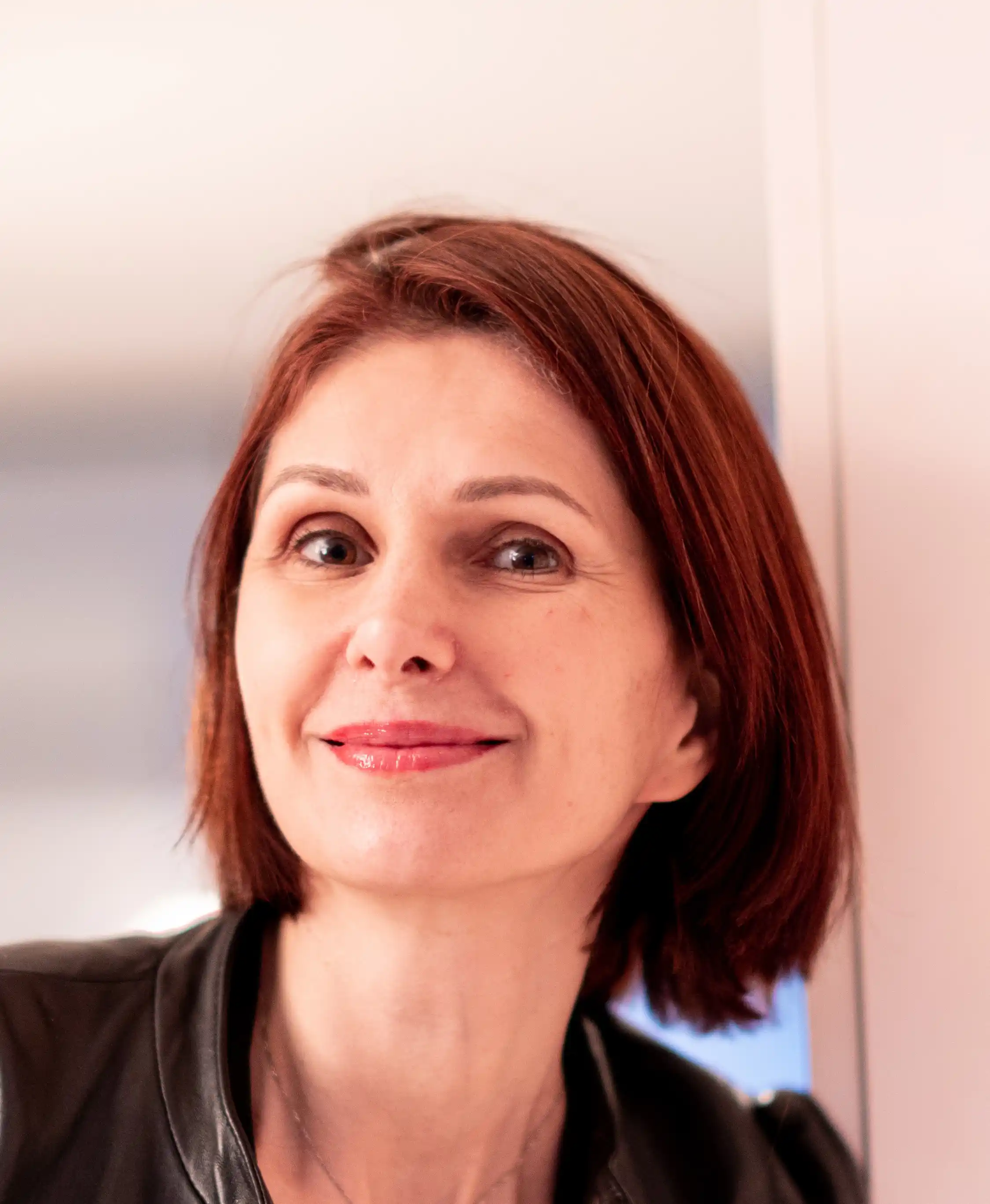
Valérie Junod is a lawyer and professor at the Universities of Geneva and Lausanne. Shespecializes in health law.
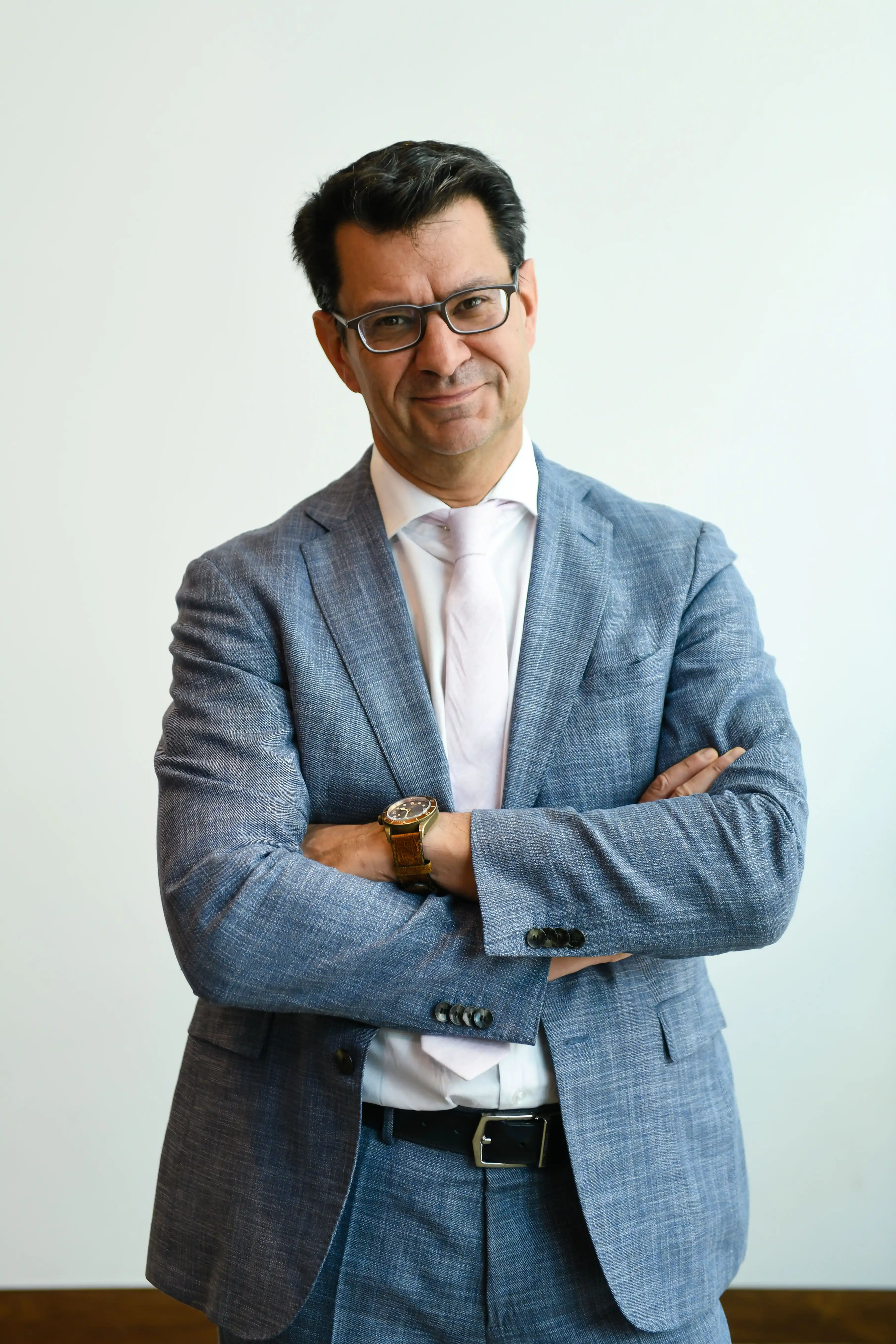
Chief of the Clinical Service and Research Laboratory of Bone Diseases at the Geneva University Hospital (Switzerland). Our laboratory investigates the mechanisms and pharmacological targets of bone fragility, particularly in relation to diabetes.
Vice-Dean for translational research and innovation at the Geneva Faculty of Medicine. Member of the council of UNITEC and chair of the scientific committee of the Fondation Privée des HUG. Member of the scientific committee of the Novartis Foundation for Medicine and Biology.
President of the Swiss Alliance against Osteoporosis and past Chair of the Council of Scientific Advisors (CSA) of the International Osteoporosis Foundation (IOF).
Founder and chief scientific officer of Strongbones ltd, providing consulting to Pharma and Biotech companies, as well as start-ups, for the development of drugs and devices for treatment of metabolic bone disorders.
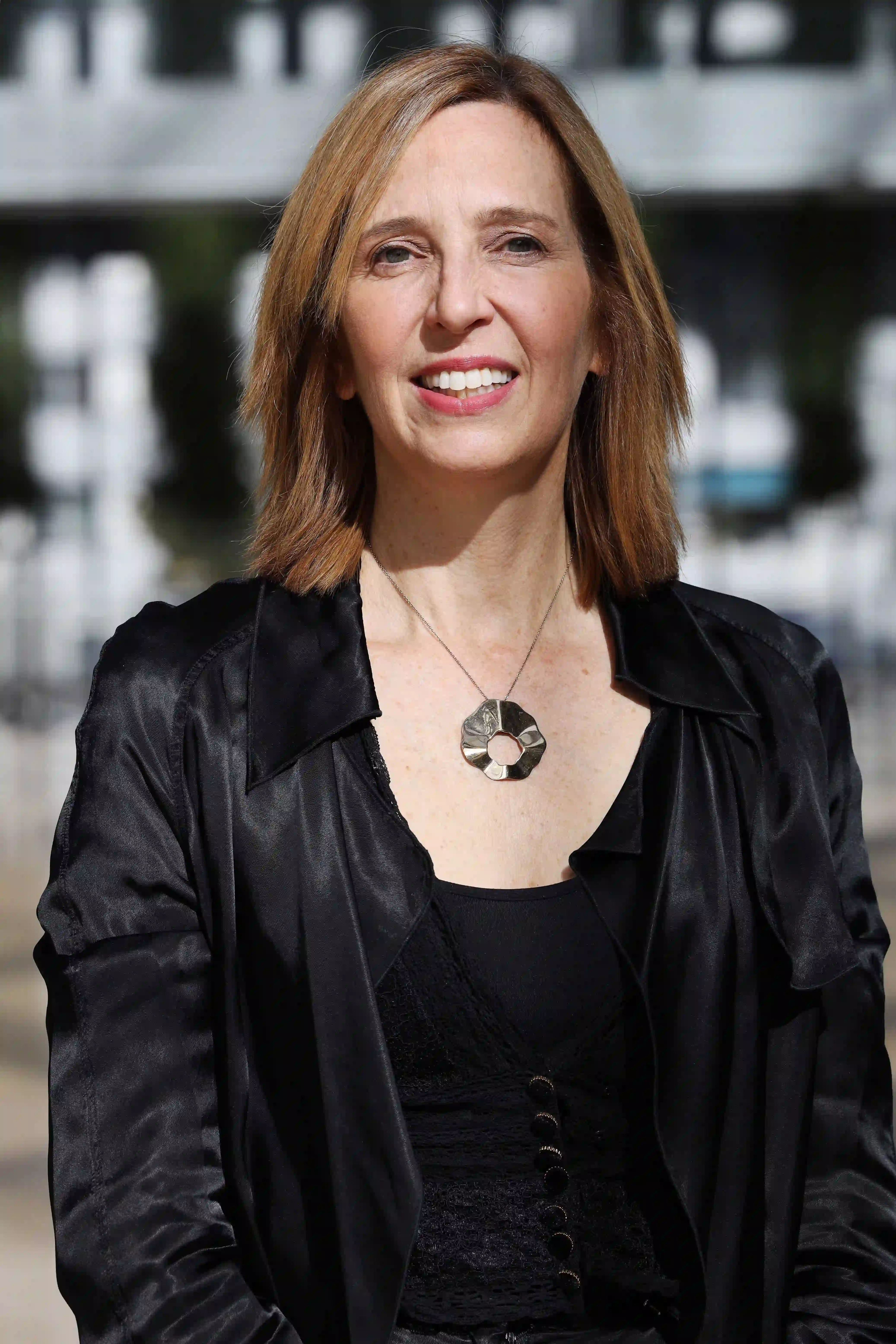
Alexandra Richardson, PhD, CLP, has 25 years of experience in life sciences business development as well as the funding of early-stage research towards its translation into medical products. She is a Clayton Foundation for Research Trustee and heads business development for Clayton Biotechnologies.
She was previously a licensing officer for the University of Geneva, has held active board positions in Swiss biotechnology companies, Stemergie and BioXpress Therapeutics, and has provided consultancy services in business development, research and intellectual property strategy for several biotech companies. Alexandra holds an ACS-accredited BA in Chemistry from Swarthmore College and a doctoral degree in biochemistry from the University of Geneva, with award for the best PhD thesis at the Medical School.
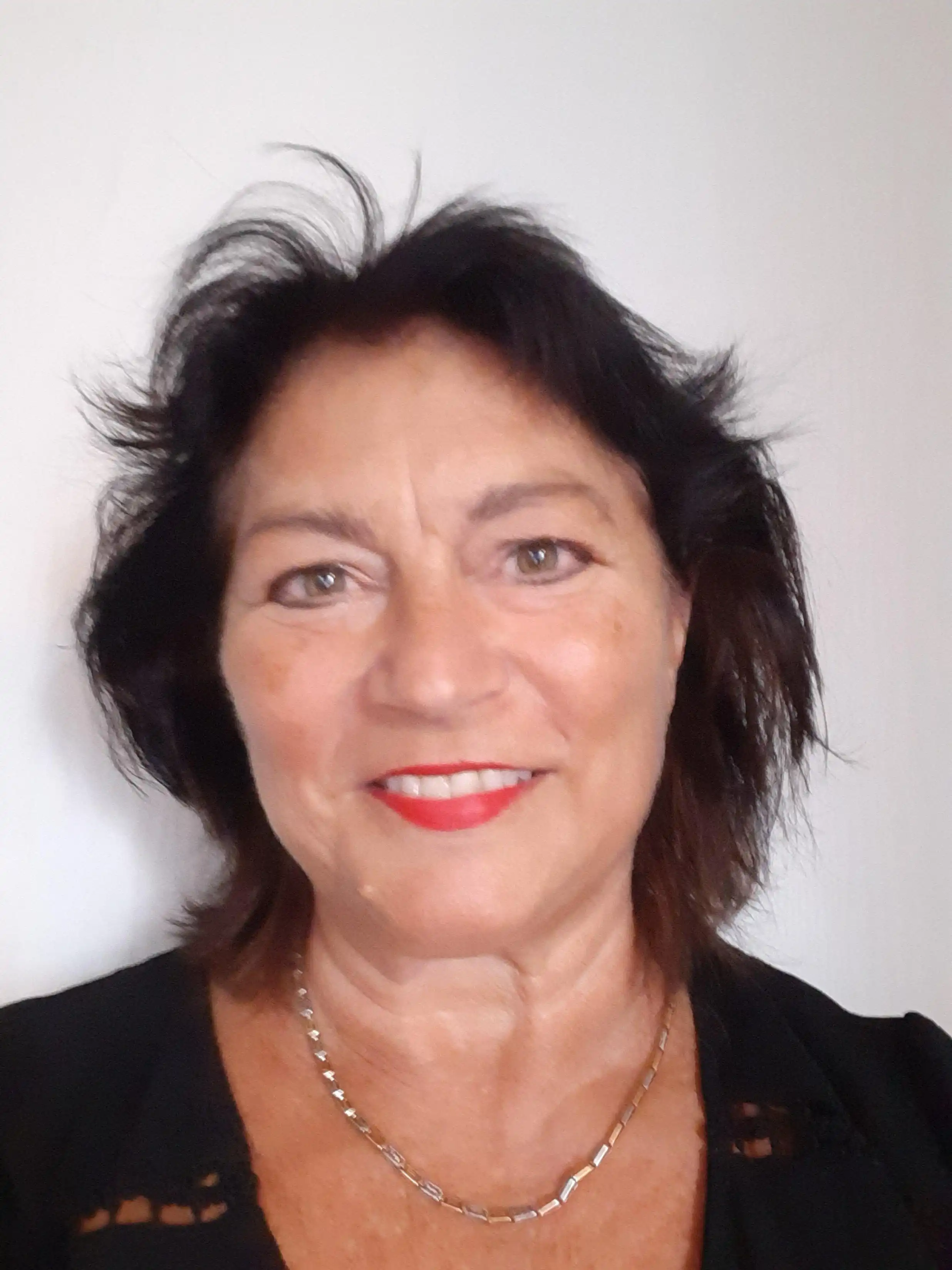
Wilma Lukas, PhD, MBA, is an accomplished life sciences and innovation leader with over 25 years of experience across the pharmaceutical, biotech and medtech sectors, including roles at GSK, Merck Serono and Debiopharm. She is actively involved in the Swiss innovation ecosystem, contributing her expertise to organisations such as the SNSF, Innosuisse, Fongit and the University of Geneva’s Unitec Funding Board. She also serves on expert panels and juries supporting entrepreneurship and the translation of scientific discoveries into innovation. Throughout her career, she has developed extensive expertise in strategic guidance, funding mechanisms, rigorous scientific evaluation and governance.
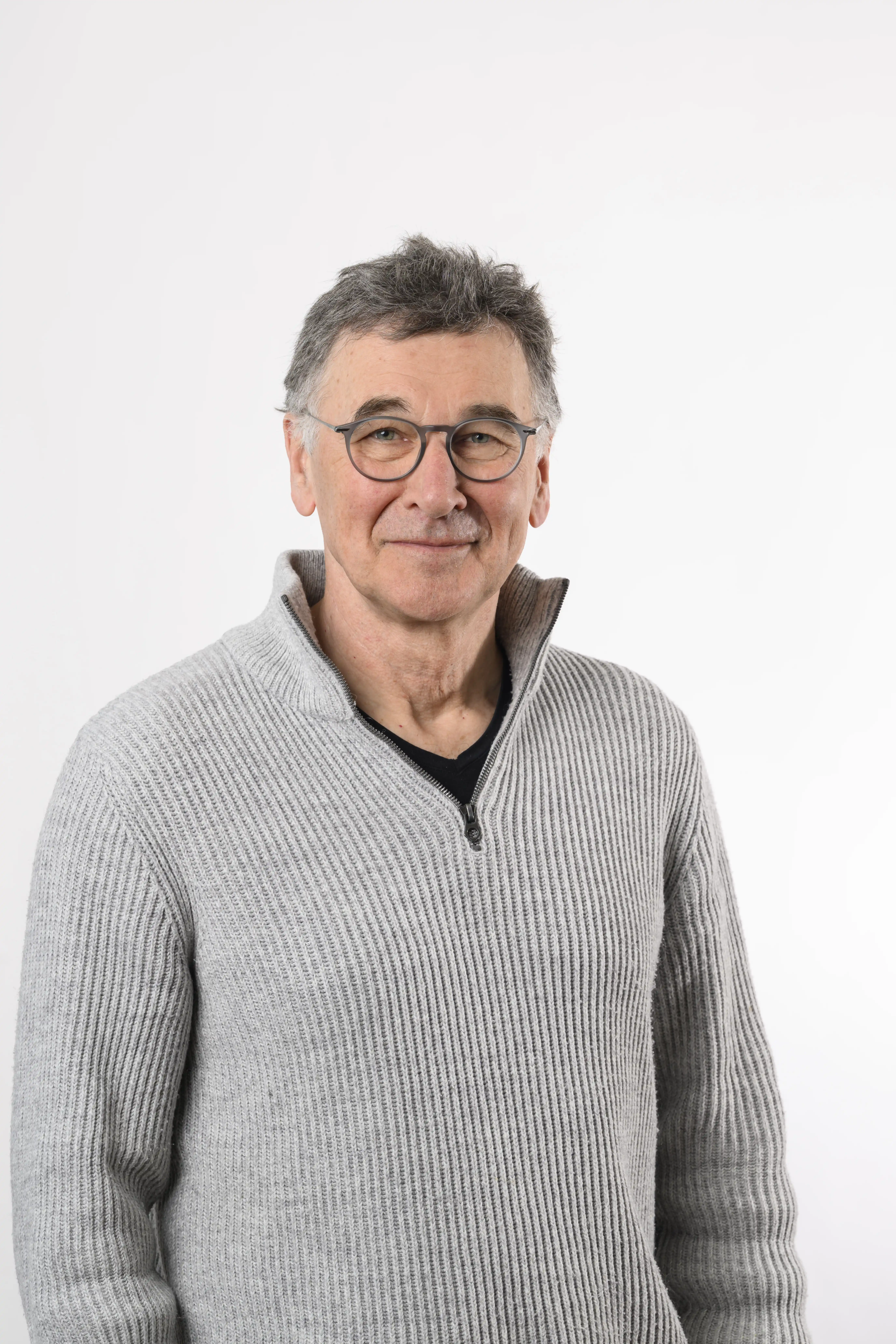
Karlheinz Krause has been President of La Tulipe – Foundation for Medical Research since 2024. He is a medical doctor specialized in internal medicine, with a particular focus on infectious diseases and geriatric medicine. He is also Professor Emeritus at the University of Geneva. His scientific work has centred on oxidative stress, stem cells, and, more recently, gene therapy and regenerative medicine. He is an elected member of both the Swiss Academy of Medical Sciences and the American Society for Clinical Investigation. Dr. Krause served as a scientific advisor to the Swiss National Science Foundation (SNSF) from 2000 to 2010, and to the SNSF/Innosuisse BRIDGE Proof of Concept program from 2016 to 2024. He has a long-standing interest in medical innovation and biotechnology and is a co-founder of six start-up companies in the field.